Municipal Separate Storm Sewer System (MS4)


Public Education Plan
In the Flint community, an integral component of our environmental stewardship is the comprehensive stormwater management plan. This strategic plan addresses the challenges posed by occasional intense rainfall events, ensuring that our neighborhoods remain resilient and sustainable. Through education and awareness campaigns, the community collaborates to mitigate the impact of heavy rainfall, safeguarding against flooding and contamination.
Report environmental emergencies to the Pollution Emergency Alerting System (PEAS) Hotline at 800-292-4706.
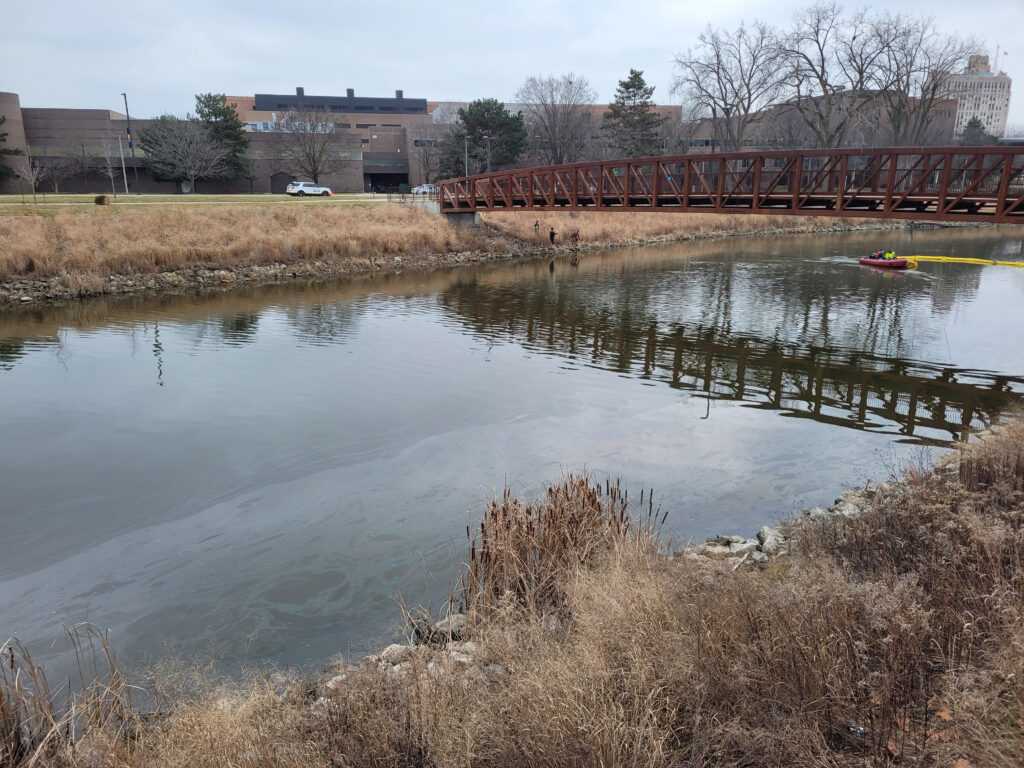
Illicit Discharge Elimination Program
Our city has implemented a vigilant program to address and report any illicit discharge into the water system. This initiative empowers community members to be the eyes and ears of our shared ecosystem. The city actively investigates and takes necessary actions to prevent further harm to our water resources.
Report improper disposal of pollutants or the illicit release of substances into storm drains.
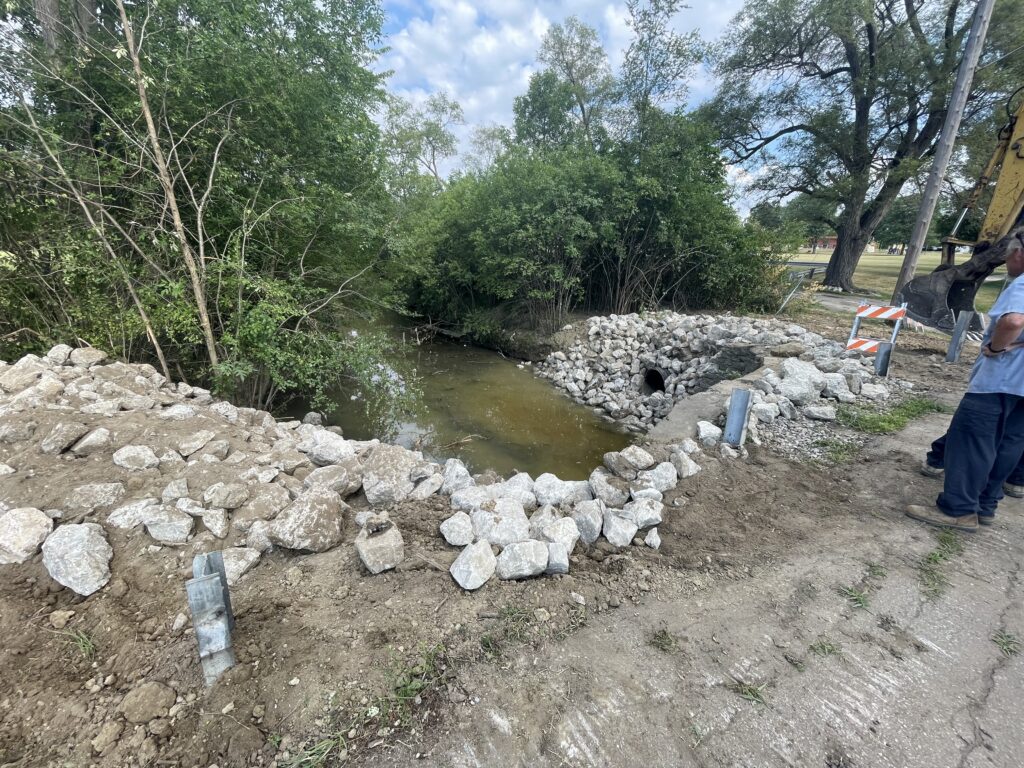
Municipal Storm Sewer Outfall Locations
Explore our user-friendly map to view rivers, streams, culverts, and storm sewer outfall locations throughout the City of Flint. By accessing the interactive features, community members can gain valuable insights into the city’s stormwater management infrastructure.
Documentation Reference
This document outlines the City of Flint (City) Storm Water Management Program (SWMP),which is required under Part I.B of National Pollutant Discharge Elimination System Permit Number MI0053864 (the permit) for regulating discharges from the City municipal separate storm sewer system (MS4).
| Resource | Description | Actions |
|---|---|---|
| Snow Pollution | Snow’s ability to absorb noise creates a quieter world of white setting the scene for the holiday season. However, snow absorbs much more than just the noise. | Open file (new tab) Download |
| Protect Our Environment and Keep Drains Clear of Fat, Oil & Grease | Fat, oil, and grease (FOG) in sewer pipes can create severe pollution problems in our City. FOG enters sewer pipes through restaurant, residential, and commercial sink drains. Once in the sewer, FOG sticks to the pipe and thickens. Here are some tips on how to keep FOG out of our sewer systems. | Open file (new tab) Download |
| Proper Medication Disposal for Water Quality | Never place expired pharmaceuticals down a toilet or sink, where they can enter our drinking water supply. Contact your local fire or police station to verify if they accept drop off during normal business hours. | Open file (new tab) Download |
| Erosion and Sediment Control Inspection and Maintenance | Erosion and sediment controls (ESCs) need regular inspections to ensure their effectiveness, and many permitting authorities require construction staff to perform self-inspections. ESC inspections fall into three categories: routine inspections, inspections before rain events and inspections after rain events. | Open file (new tab) Download |
| Stormwater Tip Sheet for Business Construction | When water from rain, snow, or sleet ows over the ground, it becomes “stormwater.” When stormwater ows through a construction site, it can pick up sediment, oil, and chemicals and carry them downstream to local water bodies. That’s why it’s important for construction sites to protect the community by putting up special fences, barriers, and truck pads to prevent pollution in our rivers, lakes, and streams. | Open file (new tab) Download |
| Stormwater General Construction Site Waste Management | Construction staff manage and dispose of building materials and other construction site wastes to reduce the risk of pollution to stormwater. Practices such as trash disposal, recycling, proper material handling, and spill prevention and cleanup measures can reduce the potential for stormwater flow to mobilize construction site wastes and contaminate surface or ground water. | Open file (new tab) Download |
| Keep Sewers Clear: No Wipes Down the Drain! | Protect your pipes and the environment by avoiding flushing wipes, diapers, and other non-biodegradable items. Dispose of them properly to prevent costly backups and environmental damage. | Open file (new tab) Download |
| Volunteer Opportunity: Storm Drain Awareness Campaign | Join the Flint River Watershed Coalition's volunteer effort to educate Genesee County residents on reducing contaminants in the Flint River. Perfect for groups, ages 7+, with flexible scheduling from June to October. | Open file (new tab) Download |
| Rain Garden Guide: Design and Maintenance Tips | Learn how to create a beautiful and functional rain garden to manage stormwater runoff, protect local freshwaters, and boost native plant populations. | Open file (new tab) Download |
| DIY Rain Barrel Assembly Guide | Step-by-step instructions for assembling a rain barrel to collect rainwater, complete with parts list and tools needed. Efficient, eco-friendly solution for watering landscaping. | Open file (new tab) Download |
Public Education Events
Through education and awareness campaigns, the community collaborates to mitigate the impact of heavy rainfall, safeguarding against flooding and contamination. Stay up to date with our latest community events.
View All News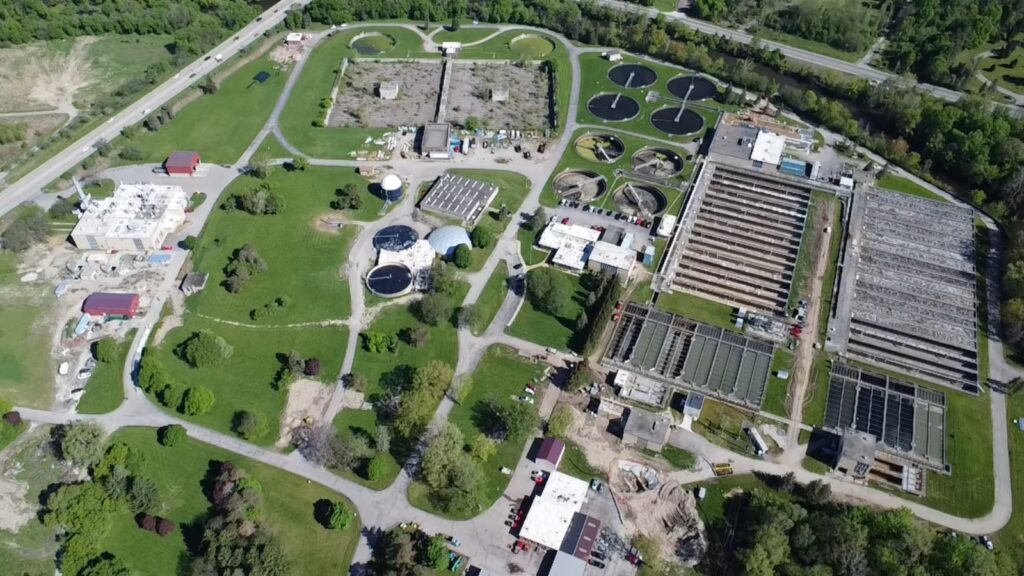
Utilities Department Water Pollution Control Division Wastewater Plant Discharge Notification
Mar 09, 2026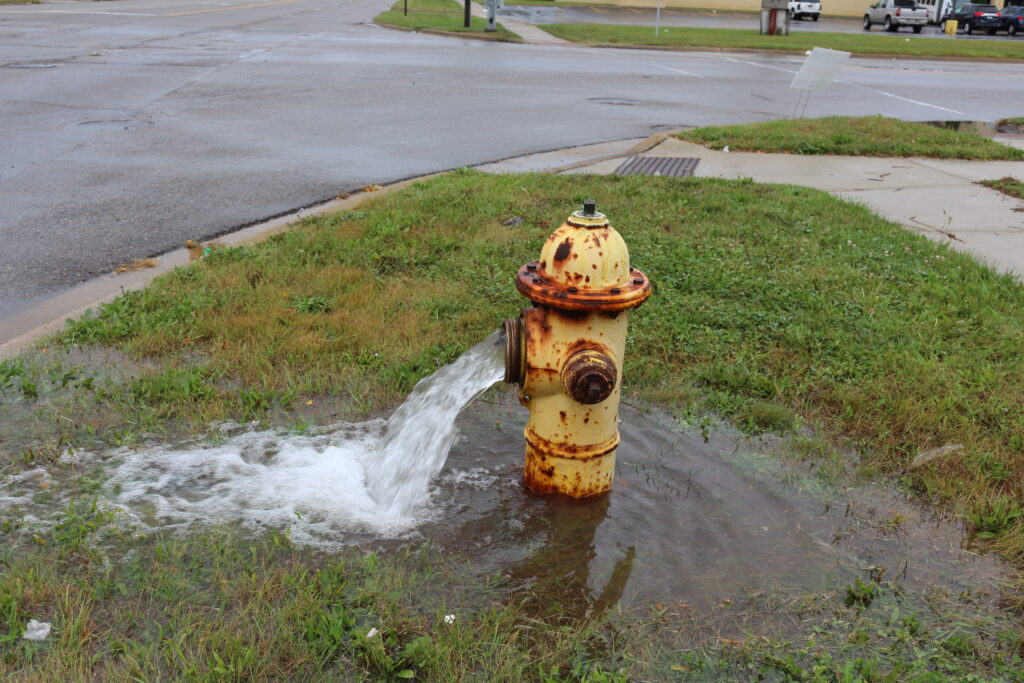
Fall Fire Hydrant Flushing and Water System Winterization Begins
Oct 06, 2025