City of Flint Continues Major Investments to Modernize Water and Wastewater Infrastructure
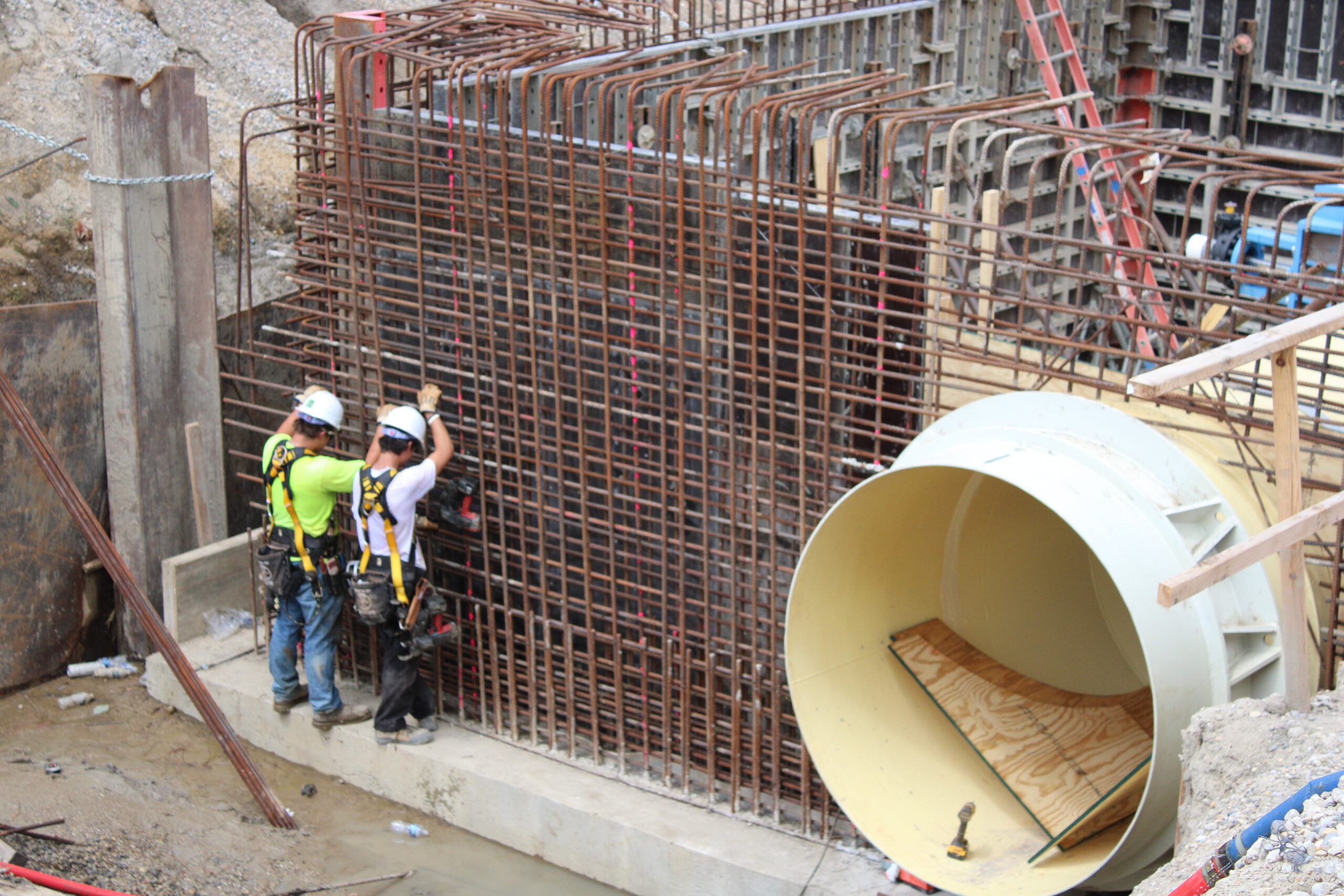
The City of Flint has invested millions of dollars over the past six years to modernize its water and wastewater systems, improving reliability, efficiency, and the long-term health of the critical infrastructure residents depend on every day.
Wastewater Treatment Plant Upgrades
At the Wastewater Treatment Plant, nearly every major process has been upgraded, including the rehabilitation of the 3rd Avenue Pumping Station and the 3.5-mile force mains that carry wastewater to the plant.
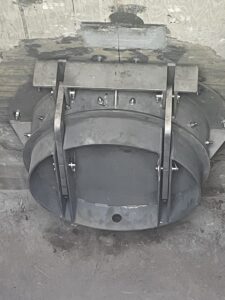
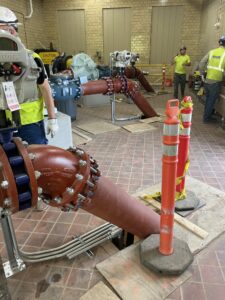
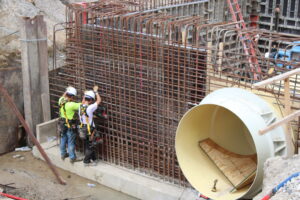
One of the project’s most significant improvements allows crews to isolate either of the two force mains for maintenance. Previously, the pipelines were connected in a way that made repairs more difficult. New shut-off valves and access vaults now allow one force main to remain in service while the other is inspected or repaired, reducing the risk of service interruptions.
The project also included cleaning, inspecting, and installing a protective liner inside one mile of the larger force main, extending its service life and reducing the likelihood of future failures.
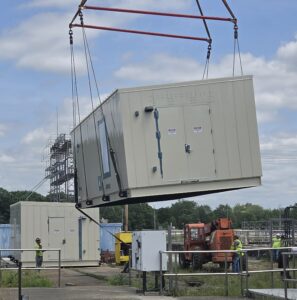
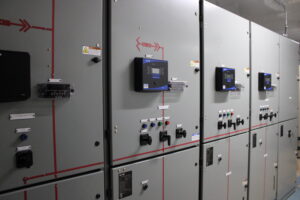
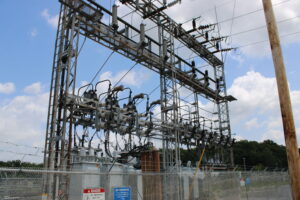
In addition, the plant’s electrical control system has been completely modernized, improving reliability and ensuring critical equipment remains operational during emergencies and power outages.
Upgrades to Decades-Old Drinking Water Infrastructure
Flint’s drinking water system has also undergone extensive improvements.
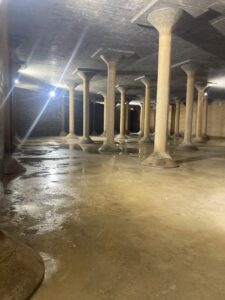
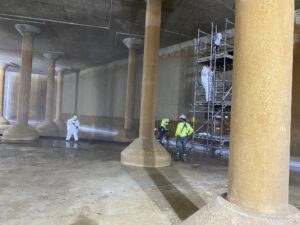
The Cedar Street Reservoir, which stores 20 million gallons of drinking water, received its most comprehensive inspection and rehabilitation in decades. During construction, the City’s 20-million-gallon Dort Highway Reservoir served as the backup water supply, ensuring uninterrupted service for residents.
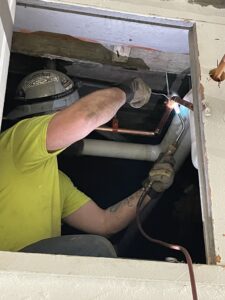
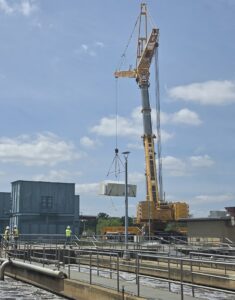
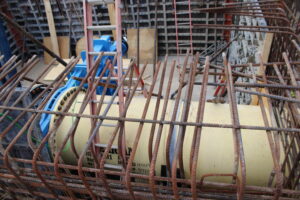
The Cedar Street Pumping Station was modernized with new pumps, valves, electrical equipment, access hatches, restored service roads, and other site improvements, replacing equipment that had been in operation since 1948.
Inside the reservoirs, crews installed remotely operated sluice gates to improve water circulation, upgraded the chlorine feed system to enhance real-time monitoring and water quality control, and completed a comprehensive structural analysis to ensure the facilities continue to meet all state and federal regulations.
The combined cost of these critical drinking water improvements totaled $9.3 million, including $4 million for the Cedar Street Reservoir rehabilitation and $5.3 million for the Cedar Street Pumping Station improvements.
A Long-Term Commitment to Infrastructure
These projects are part of Flint’s long-term infrastructure modernization strategy.
Wastewater improvements began with projects funded through grants and low-interest Clean Water State Revolving Fund (CWSRF) loans. Additional work completed in 2023 and 2024 included $20 million in grant funding for Phase III and another $20 million grant, along with a CWSRF loan, for Phase IV, bringing more than $40 million in grant funding to modernize Flint’s wastewater system.
What These Investments Mean for Residents
- More reliable water and sewer service.
- Faster, safer repairs with fewer service disruptions.
- Modern equipment replacing infrastructure that, in some cases, had been operating for more than 75 years.
- Improved monitoring and management of drinking water quality.
- Longer-lasting infrastructure that reduces the need for costly emergency repairs.
- More than $40 million in outside funding invested in Flint’s wastewater infrastructure.
While much of this work takes place underground or behind the scenes, these investments strengthen the systems Flint residents rely on every day and help ensure safe, dependable water and wastewater service for generations to come.